20 Aug 2026
Regulatory Shifts and Their Effect on Provider Innovations Within Austria's Licensed Mobile Gaming Landscape
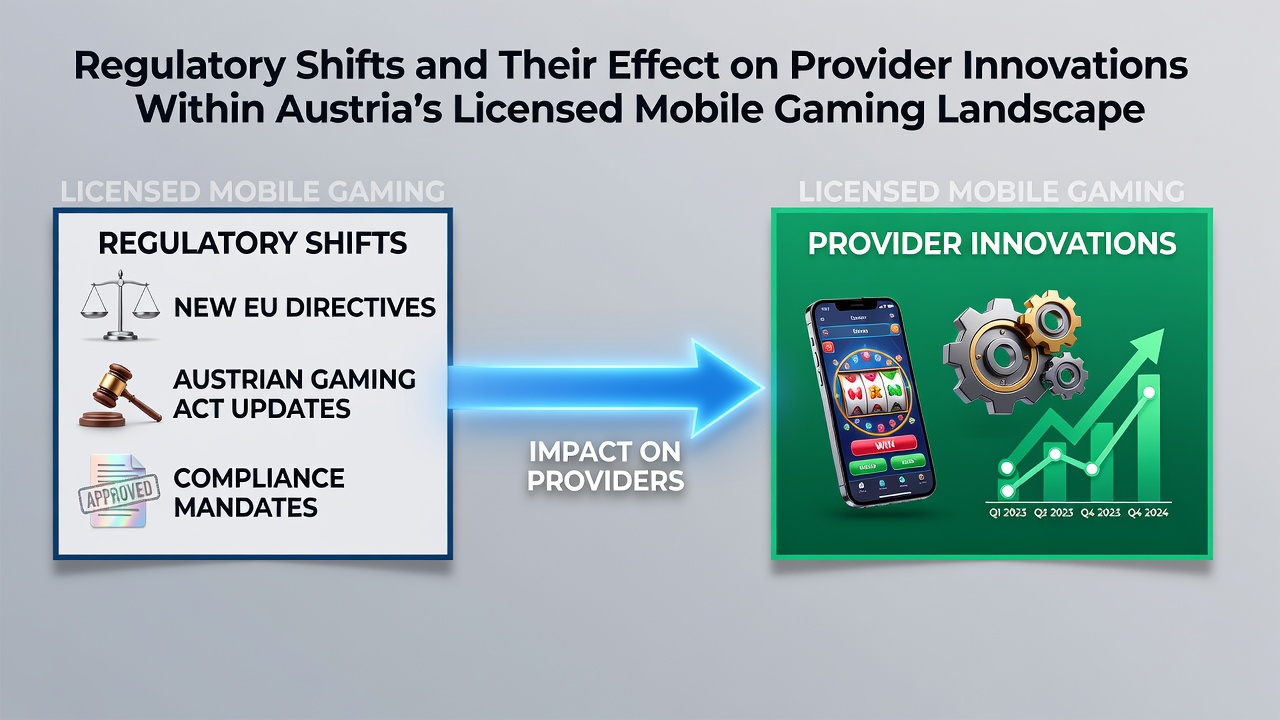
Austria maintains a structured licensing system for mobile gaming that requires operators to secure approvals through the Austrian Federal Ministry of Finance before offering services to domestic users, and recent adjustments to these rules have prompted providers to recalibrate their development priorities. Data from industry reports show that mobile platforms now account for over 65 percent of licensed gaming activity within the country, which has led regulators to focus on technical standards for user verification and transaction security.
Those who track policy developments note that updates implemented between 2023 and 2025 introduced stricter requirements for real-time monitoring of play patterns and mandatory integration of deposit limit tools directly into mobile interfaces. Providers responded by embedding these features into core application architecture rather than treating them as add-ons, which altered the pace at which new game mechanics could reach the market.
Key Regulatory Changes in Recent Years
Amendments to the Austrian Gaming Act expanded the scope of data reporting obligations for licensed operators, requiring daily submissions of aggregated mobile session metrics to oversight bodies. Research indicates these obligations increased compliance costs by approximately 18 percent for mid-sized providers, prompting many to consolidate development resources around modular software frameworks that accommodate frequent regulatory updates without full rebuilds.
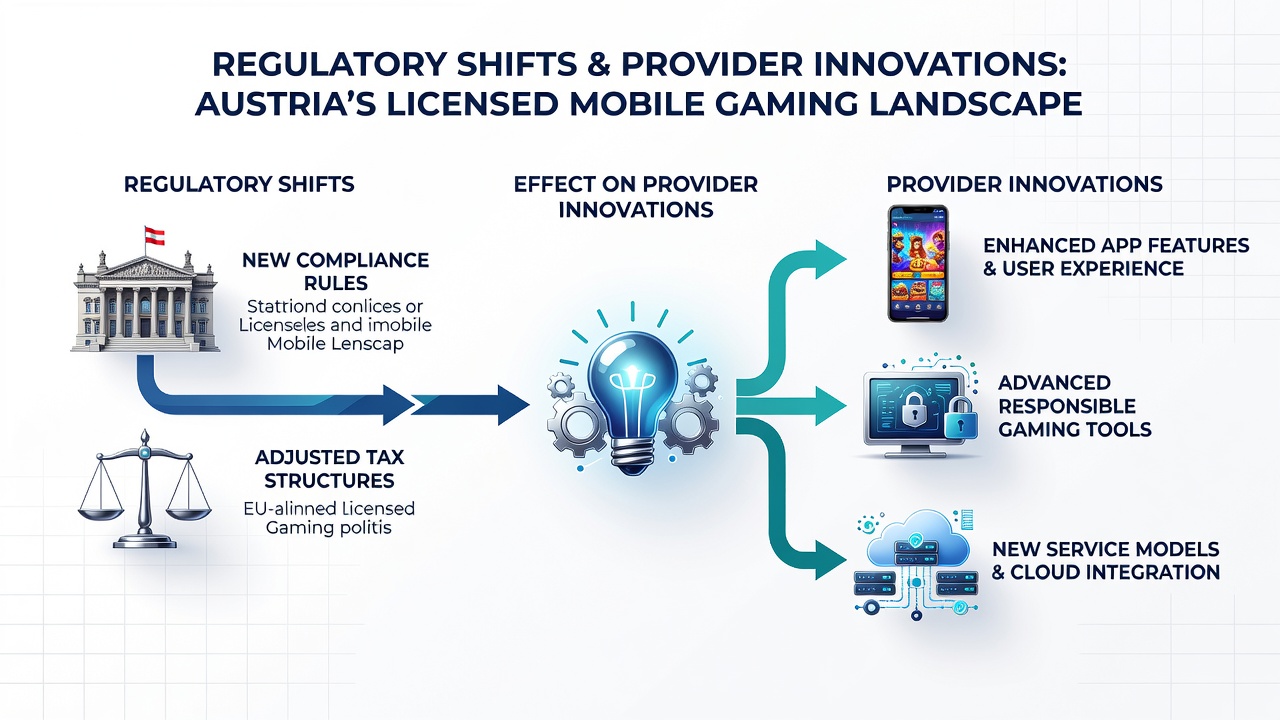
Experts at the European Commission have documented similar patterns across member states, where standardized reporting protocols encourage providers to adopt unified APIs for responsible gaming controls. Within Austria the effect appears in the rapid rollout of adaptive betting interfaces that adjust stake options based on user history while remaining within prescribed limits.
Impact on Mobile Innovation Strategies
Providers operating under Austrian licenses have shifted focus toward server-side processing for mobile games, which allows quicker incorporation of new compliance layers without disrupting user sessions on iOS or Android devices. Figures released by the Austrian Federal Ministry of Finance reveal that the number of approved mobile titles grew by 22 percent in the twelve months following the 2024 rule revisions, yet average development timelines extended from nine to fourteen months per major release.
One study conducted by academic researchers at the University of Vienna examined how these timelines influenced feature selection, and the analysis found that studios prioritized enhancements in encryption protocols and biometric authentication over experimental gameplay elements. Consequently several operators introduced cloud-based game streaming options that maintain full regulatory oversight while reducing local device storage demands.
Developments Expected in August 2026
Scheduled revisions set for August 2026 will require licensed mobile platforms to implement geo-fencing technology that restricts access outside designated Austrian IP ranges with greater precision. Industry observers note that providers have already begun testing hybrid location services that combine GPS, Wi-Fi triangulation and SIM data to meet the anticipated thresholds.
These forthcoming rules also mandate annual third-party audits of algorithmic fairness for all mobile titles, which has led several providers to integrate automated testing suites during the build phase. Data compiled by the European Gaming and Betting Association shows comparable audit requirements in other EU jurisdictions have accelerated adoption of open-source randomness verification tools among smaller development teams.
Provider Responses and Technical Adaptations
Companies holding Austrian mobile gaming licenses have formed technical working groups to share non-competitive compliance solutions, and this collaboration has produced standardized libraries for session timeout enforcement. Providers report that such shared resources shorten integration time for new regulatory features by up to 30 percent, freeing capacity for differentiated user interface refinements within the remaining design space.
Case examples from licensed operators illustrate how regulatory clarity around bonus mechanics encouraged the creation of personalized reward systems that operate entirely on-device while syncing limit data to central servers in real time. These systems maintain compliance without requiring constant network connectivity, which addresses connectivity challenges common among Austrian users in rural areas.
Conclusion
Regulatory adjustments in Austria continue to shape the technical roadmap for licensed mobile gaming providers, with each wave of requirements prompting incremental advances in security architecture, verification processes and responsible gaming integration. As the August 2026 deadlines approach, ongoing adaptations demonstrate how compliance frameworks can coexist with measured innovation when providers align development cycles to anticipated policy timelines. Continued monitoring of implementation outcomes will clarify the long-term balance between oversight objectives and product evolution within this market segment.