22 Aug 2026
How Provider Partnerships Shape Progressive Jackpot Mechanics for Austrian Mobile Players
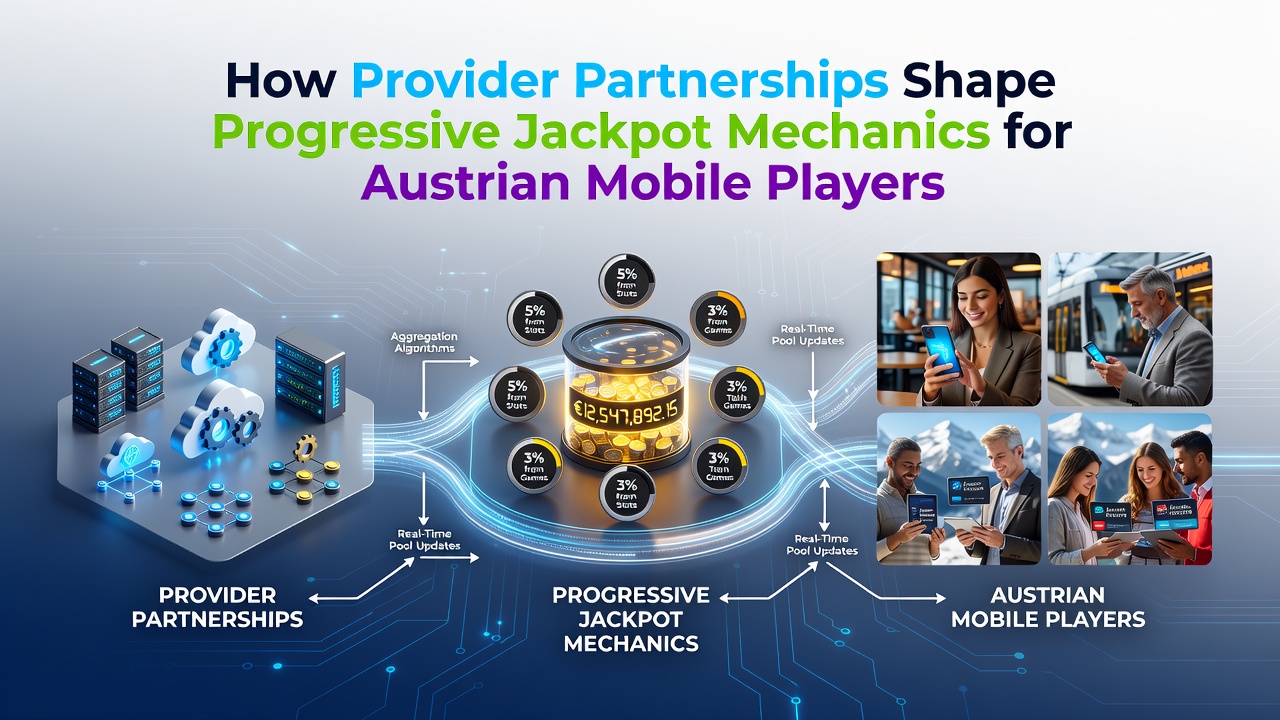
Provider partnerships have become central to the development of progressive jackpot systems that Austrian mobile players access through licensed platforms, and these collaborations determine how pools grow, how contributions flow across games, and how payouts reach devices in real time. Operators in Austria work with multiple software providers to link individual titles into shared networks, which means a single spin on one studio's slot can feed a jackpot that also incorporates activity from another provider's library. This structure relies on technical agreements that standardize data exchange while complying with national licensing rules that took clearer shape after 2021.
Those agreements cover everything from seed funding amounts to the percentage of each bet allocated to the progressive pool, and they often include clauses that allow rapid integration when new mobile titles launch. In practice this creates larger prize pools than any single provider could sustain alone, yet it also requires precise synchronization so that Austrian users see consistent jackpot values whether they play through native apps or browser-based sessions.
Technical Integration Behind Shared Pools
Modern progressive mechanics depend on application programming interfaces that connect disparate game engines, and partnerships accelerate the deployment of these connections. When two providers agree on a common jackpot framework, their development teams align protocols for bet tracking, random number generation verification, and mobile-specific latency management. Austrian regulators require that all such systems undergo testing for fairness and security before they appear in the local market, which means partnership contracts frequently include joint compliance audits.
Data from these integrated systems shows that pooled jackpots accumulate faster during peak evening hours, when mobile traffic from Austria rises sharply. Providers therefore program contribution rates that adjust dynamically based on player volume, a feature made possible only through shared backend infrastructure rather than isolated studio servers. Observers note that this flexibility keeps prize levels attractive without exceeding the financial thresholds that Austrian licensing agreements impose on operators.
Regulatory Context and Cross-Border Considerations
Austria's licensing regime emphasizes consumer protection and revenue tracking, which influences how partnerships structure their jackpot contributions. Each participating provider must route a portion of its revenue through an operator that holds an Austrian concession, and the resulting funds feed both local tax obligations and the progressive pool itself. Partnerships therefore incorporate detailed reporting modules that separate Austrian player activity from international traffic, ensuring compliance while maintaining a single visible jackpot counter for mobile users.
Research from the Responsible Gambling Council indicates that transparent contribution mechanics correlate with sustained player engagement across regulated markets. Austrian platforms apply similar transparency standards, publishing jackpot rules and contribution percentages directly in game interfaces so users understand how their bets influence the shared prize. Partnerships have standardized these disclosures, reducing discrepancies that once appeared when different studios managed their own progressive systems independently.
Mobile-Specific Mechanics and Real-Time Updates
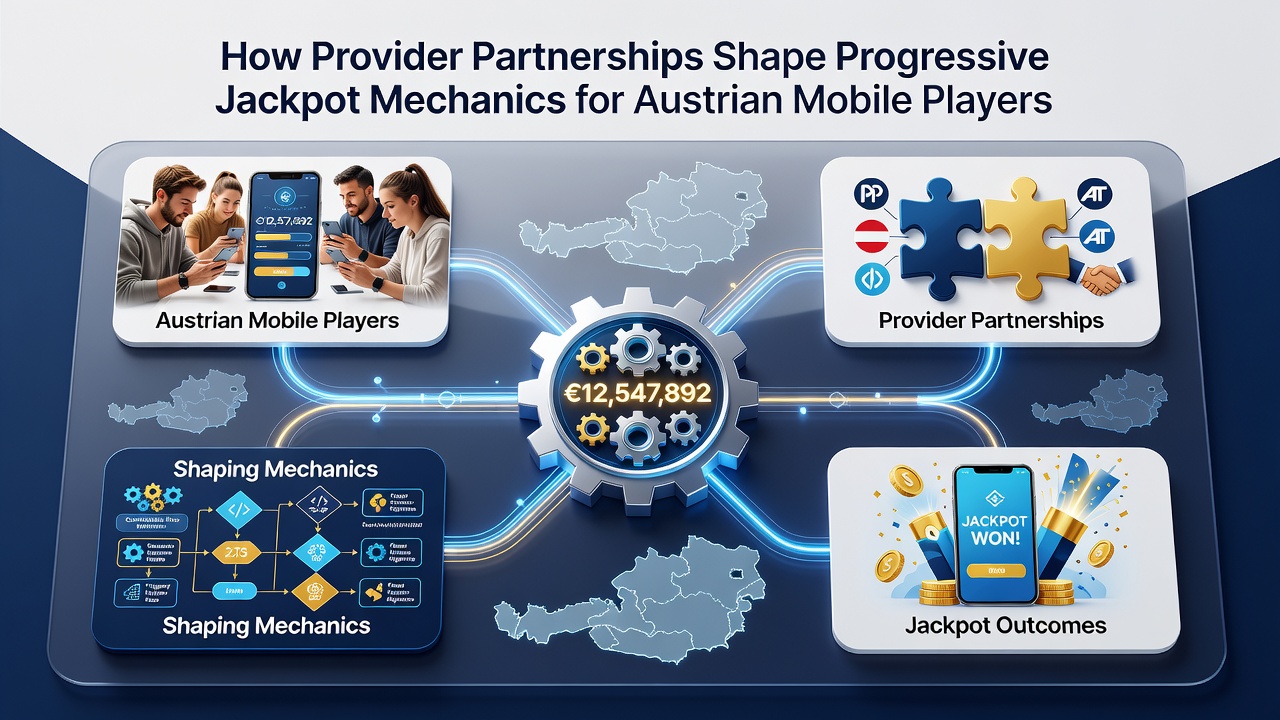
Mobile networks introduce variables such as variable latency and intermittent connectivity, and provider partnerships address these through dedicated mobile optimization layers. Jackpot values update via push notifications and background synchronization rather than constant polling, which preserves battery life while ensuring the displayed amount remains accurate for Austrian players on the move. When a jackpot hits, the system must pause contributions from all connected titles instantly, a process that requires pre-agreed failover protocols between partner studios.
August 2026 is scheduled to bring updated technical standards for real-time data exchange in Austrian mobile gaming, and several ongoing provider partnerships have already begun aligning their APIs with the forthcoming requirements. These preparations include enhanced encryption for jackpot transaction logs and improved mobile session recovery after network drops, features that will affect how progressive prizes are calculated and awarded during travel or signal interruptions.
Examples of Partnership Structures in Practice
One established model involves a primary provider hosting the central jackpot server while secondary providers contribute through standardized APIs, a setup that allows smaller studios to participate without building their own progressive infrastructure. Austrian operators have adopted this tiered approach because it simplifies regulatory oversight and reduces the number of separate audits required. Figures from industry reports reveal that such arrangements have increased the frequency of six-figure mobile jackpot payouts in the Austrian market over the past three years.
Another structure uses reciprocal contribution agreements where each provider maintains its own server but mirrors data to a shared reconciliation layer. This model offers redundancy in case one partner experiences downtime, yet it demands continuous reconciliation to prevent discrepancies visible to players. Partnerships employing this method often cite reduced risk of jackpot disputes, a consideration that carries weight under Austrian consumer protection guidelines.
Future Developments and Industry Reports
Analyses from the Gaming Laboratories International highlight how partnership-driven progressive systems are expanding to include multi-game bundles that span video slots, table games, and even live dealer offerings on mobile. Austrian platforms are testing these bundles in limited releases, with contribution rates calibrated to reflect the different bet structures across game types. The resulting pools grow through more diverse player activity, which in turn affects the statistical distribution of win frequencies.
Those who've examined the underlying data note that mobile-specific payout triggers, such as time-limited jackpot boosts during promotional windows, appear more frequently when multiple providers collaborate. These triggers rely on coordinated marketing calendars and shared player segmentation tools, capabilities that single-provider operations rarely replicate at the same scale.
Conclusion
Provider partnerships continue to define the scale, speed, and reliability of progressive jackpot mechanics available to Austrian mobile players, with technical standards, regulatory compliance, and mobile optimization forming the core pillars of these arrangements. As August 2026 approaches, further refinements to data exchange protocols are expected to strengthen the synchronization between partner systems, ensuring that jackpot values remain consistent and payouts execute smoothly across the licensed Austrian market.