24 Sep 2026
Austria's Casino Bonus Structures and Their Ties to Game Provider Algorithms for Free Play Features
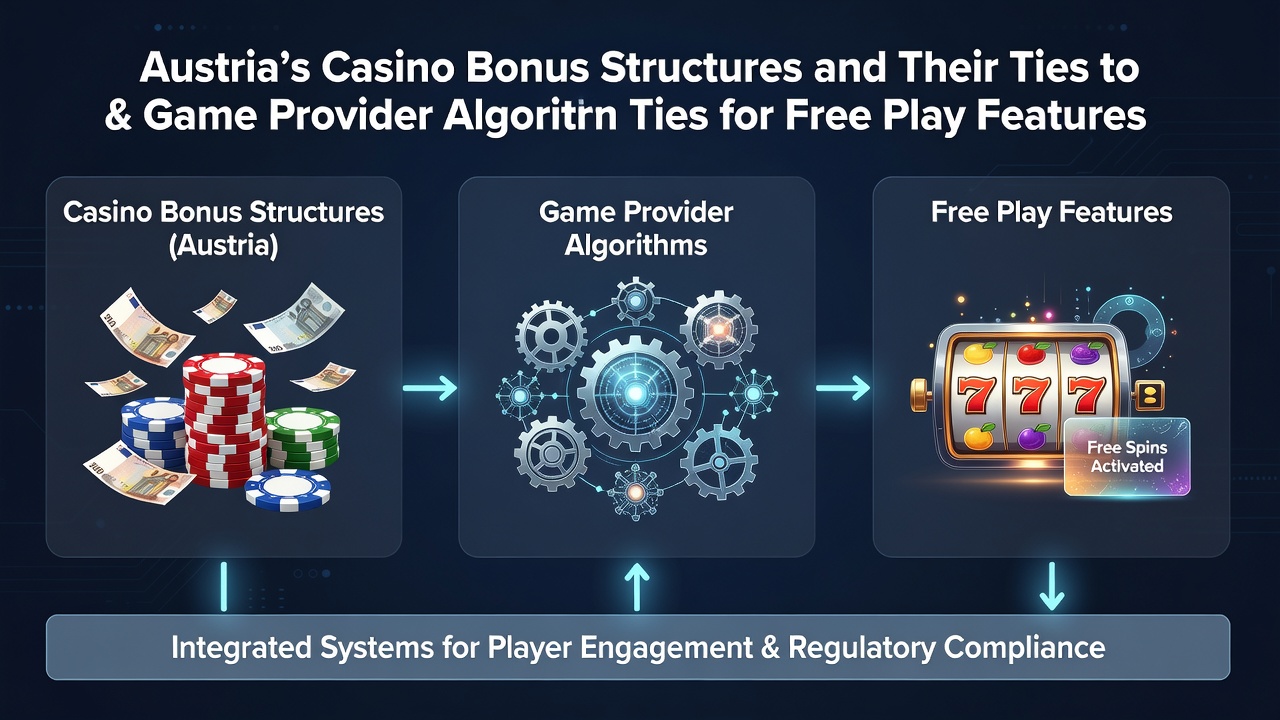
Austria maintains a regulated framework for casino operations where bonus structures connect directly to game provider algorithms that determine free play eligibility and distribution, and operators structure these incentives around specific wagering conditions that align with algorithmic triggers for bonus activation.
Core Elements of Bonus Structures in Austrian Casinos
Operators in Austria typically design bonus packages around deposit matches, cashback percentages, and free spin allocations, while each element ties into provider-defined parameters that calculate player eligibility based on account activity and game selection, and data from the Austrian Federal Ministry of Finance shows these structures follow standardized reporting requirements that track bonus redemption rates across licensed platforms.
Free play features often appear as time-limited credits or spin bundles, and algorithms supplied by providers like those integrated through major software networks adjust availability according to real-time session data, yet the overall system ensures compliance with national licensing rules that limit bonus values and enforce transparency in terms.
Algorithmic Mechanisms Behind Free Play Delivery
Game providers embed algorithms that monitor player behavior metrics such as bet frequency and game type preferences, and these systems trigger free play releases when predefined thresholds are met, while integration with casino backend systems allows for automated bonus crediting that matches the operator's promotional calendar.
Researchers at institutions tracking European gaming technology note that providers use randomized number generators alongside player segmentation models to balance free play distribution, and this approach prevents overuse while maintaining engagement across different game categories, but operators must configure their platforms to respect these algorithmic limits during bonus campaigns.
Integration Points Between Bonuses and Provider Algorithms
Bonus structures in Austria link to algorithmic outputs through shared data fields that record spin outcomes and credit applications, and operators adjust their promotional terms to accommodate provider-specific rules on how free play converts to real-money play after wagering requirements are satisfied. One documented approach involves providers supplying APIs that feed bonus status directly into casino management software, which then applies operator-defined multipliers or expiration dates.
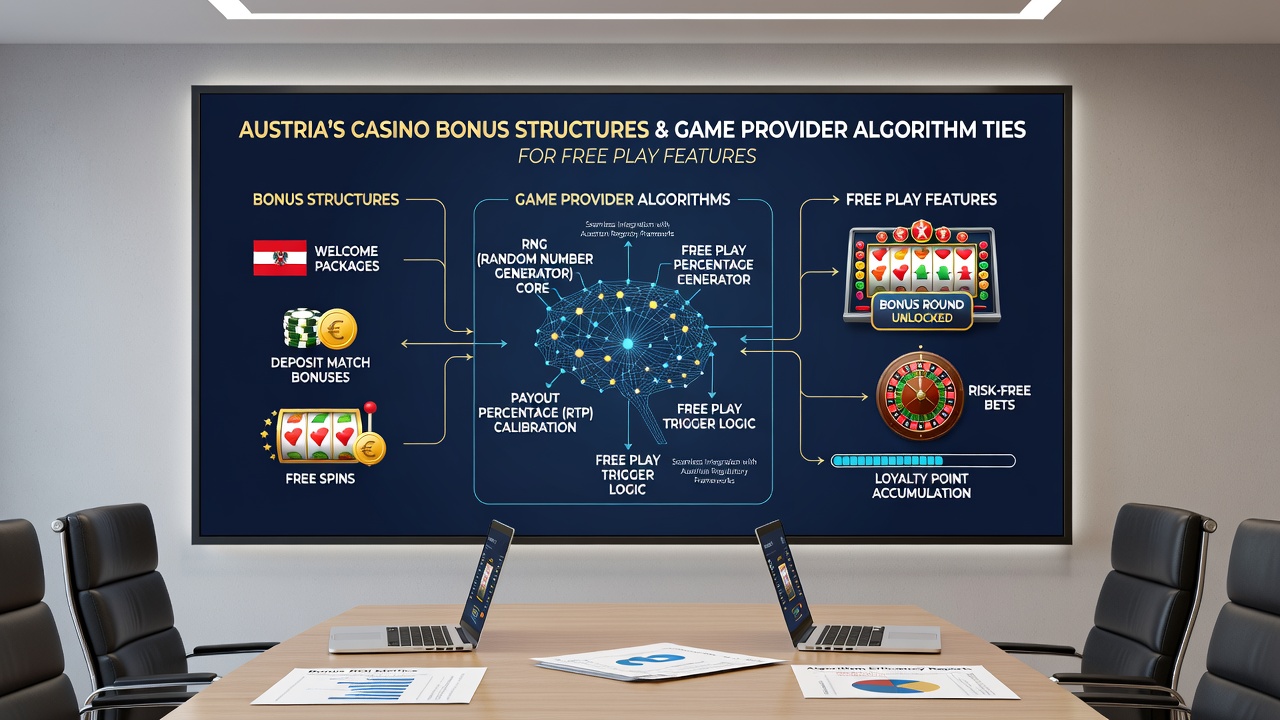
Figures from industry reports compiled by the European Gaming and Betting Association reveal that algorithmic adjustments to free play parameters occur at regular intervals to reflect seasonal player patterns, and Austrian operators incorporate these updates into their bonus calendars without altering core regulatory compliance standards.
Developments Observed Through September 2026
By September 2026, several Austrian platforms had implemented enhanced algorithmic modules that refine free play allocation based on aggregated cross-game performance data, and these modules allow providers to scale bonus triggers dynamically while operators maintain oversight through standardized reporting interfaces.
Studies conducted by academic groups examining mobile gaming trends indicate that such integrations reduce discrepancies between advertised bonuses and actual free play delivery, and Austrian regulatory updates around that period emphasized clearer disclosure of algorithmic influences on bonus mechanics.
Practical Examples of System Interactions
Take one operator that partnered with a provider to launch a seasonal free spin campaign, and the provider's algorithm evaluated player deposit history to determine qualifying accounts before releasing the spins, while the casino bonus structure capped total value per user to align with licensing caps. Another instance involved loyalty point conversions where algorithmic calculations determined free play credit amounts based on accumulated playtime across multiple titles.
Observers tracking these patterns report that successful implementations rely on seamless data exchange between operator servers and provider networks, and this coordination ensures free play features activate only under conditions specified in both the bonus terms and the underlying game code.
Conclusion
Austria's approach to casino bonuses demonstrates clear connections between structured incentives and game provider algorithms that govern free play features, and continued coordination between operators and providers supports consistent application of these systems within the licensed environment. Regulatory oversight through September 2026 and beyond maintains focus on transparent data handling and algorithmic accountability across all participating platforms.